In the fast-paced world of data management, the ability to design flexible and scalable data architectures is crucial. Data Vault modeling has emerged as a leading methodology for building resilient data warehouses that can adapt to changing business needs.
Understanding Data Vault Modeling
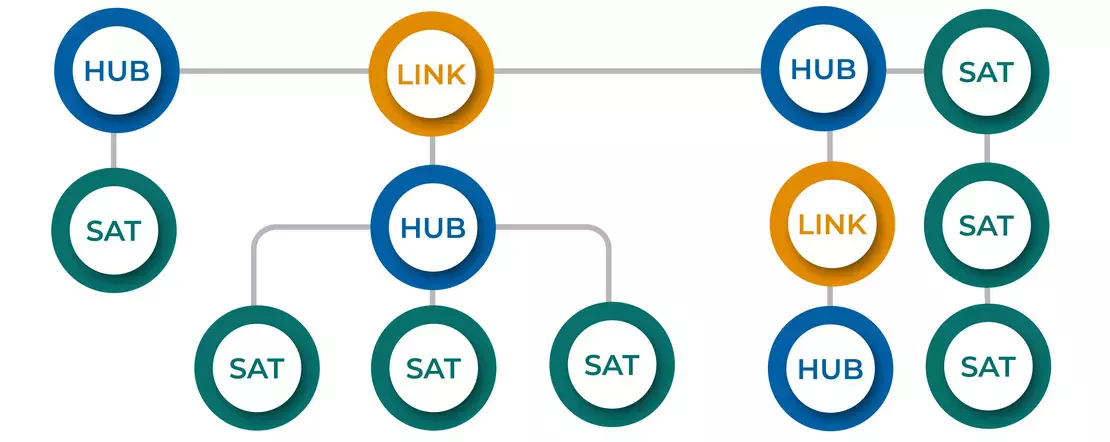
At the core of Data Vault modeling lie three types of tables: Hub, Link, and Satellite. Hubs represent business entities, Links capture relationships between these entities, and Satellites store descriptive attributes and historical data. This modular approach facilitates agile development and enables seamless integration of new data sources.
Implementing Hub Tables
Hub tables act as the foundation of the Data Vault model, providing a centralized repository for unique business keys. Advanced techniques for implementing Hub tables include:
- Composite Keys: Utilizing composite keys to accommodate scenarios where a single business entity may have multiple unique identifiers.
- Hash Key Generation: Generating hash keys to ensure consistency and integrity of data across distributed systems.
- Soft Deletes: Implementing soft delete mechanisms to handle inactive or deleted records without affecting data lineage.
-- Example SQL code for creating a Hub table with composite key
CREATE TABLE CustomerHub (
    customer_id INT PRIMARY KEY,
    customer_key VARCHAR(100) NOT NULL,
    load_date TIMESTAMP DEFAULT CURRENT_TIMESTAMP,
    record_source VARCHAR(100),
    CONSTRAINT uk_customer_key UNIQUE (customer_key)
);
Implementing Link Tables
Link tables establish connections between Hub tables, capturing the relationships or associations between business entities. Advanced techniques for implementing Link tables include:
- Many-to-Many Relationships: Handling many-to-many relationships by introducing bridge tables and junction tables to resolve complexity.
- Recursive Relationships: Managing recursive relationships within the Data Vault model using self-referential Link tables.
- Role-Based Links: Introducing role-based links to capture additional contextual information about relationships between entities.
-- Example SQL code for creating a Link table with role-based links
CREATE TABLE OrderCustomerLink (
    order_id INT,
    customer_id INT,
    role VARCHAR(50),
    PRIMARY KEY (order_id, customer_id, role),
    FOREIGN KEY (order_id) REFERENCES OrderHub(order_id),
    FOREIGN KEY (customer_id) REFERENCES CustomerHub(customer_id)
);
Implementing Satellite Tables
Satellite tables store descriptive attributes and historical changes associated with Hub and Link tables, enabling temporal analysis and auditing. Advanced techniques for implementing Satellite tables include:
- Type 2 SCDs: Implementing Type 2 slowly changing dimensions to track historical changes to attribute values over time.
- Delta Loading : Employing delta loading techniques to efficiently update Satellite tables with incremental changes from source systems.
- Effective Dating: Incorporating effective dating to manage time-varying attributes and capture data validity periods.
-- Example SQL code for creating a Satellite table with Type 2 SCD
CREATE TABLE CustomerSatellite (
    customer_id INT,
    valid_from DATE,
    valid_to DATE,
    customer_name VARCHAR(100),
    email_address VARCHAR(100),
    is_active BOOLEAN,
    PRIMARY KEY (customer_id, valid_from),
    FOREIGN KEY (customer_id) REFERENCES CustomerHub(customer_id)
);
Advanced Techniques and Best Practices
Satellite tables store descriptive attributes and historical changes associated with Hub and Link tables, enabling temporal analysis and auditing. Advanced techniques for implementing Satellite tables include:
- Historical Load Patterns: Implementing historical load patterns such as point-in-time snapshots and accumulating snapshots to support advanced analytics and reporting requirements.
- Temporal Query Optimization: Optimizing temporal queries using temporal indexes, partitioning strategies, and query rewrite techniques to enhance performance and scalability.
- Parallel Processing: Leveraging parallel processing and distributed computing frameworks to accelerate data processing and improve scalability for large-scale Data Vault implementations.
Recommended Resources
- Data Vault 2.0 Certification: Pursue advanced Data Vault 2.0 certification programs and workshops to gain mastery over advanced Data Vault modeling techniques and methodologies.
- Data Vault Consortium: Join the Data Vault Consortium community to access exclusive resources, participate in collaborative research projects, and engage with industry experts.
- Advanced Data Modeling Books: Explore advanced data modeling books and publications focusing on Data Vault modeling, temporal data management, and data integration best practices.
- Advanced Data Warehousing Workshops: Attend specialized workshops and training sessions led by industry leaders and practitioners, focusing on advanced data warehousing topics such as Data Vault automation and continuous integration.
Blog Statistics