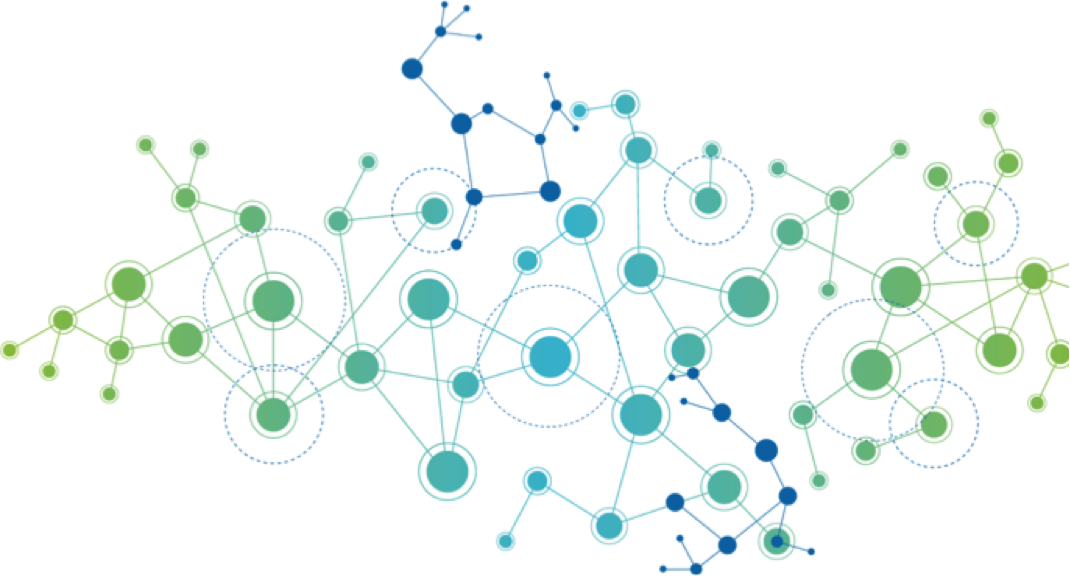
Traditional relational databases excel at handling structured data, but they often struggle with representing and querying complex relationships. Graph databases, on the other hand, are designed specifically to address this challenge. They store data in nodes, which represent entities, and edges, which represent the relationships between these entities. This flexible data model allows for efficient traversal of relationships, making graph databases ideal for scenarios such as social networks, recommendation engines, and fraud detection systems.
Neo4j and Cypher Query Language
Neo4j is one of the most popular graph databases, known for its scalability, performance, and user-friendly interface. At the heart of Neo4j lies Cypher, a powerful query language tailored for graph traversal and manipulation. With Cypher, users can express complex graph patterns in a concise and intuitive manner, enabling rapid development and experimentation.
Applications of Graph Databases
Neo4j is one of the most popular graph databases, known for its scalability, performance, and user-friendly interface. At the heart of Neo4j lies Cypher, a powerful query language tailored for graph traversal and manipulation. With Cypher, users can express complex graph patterns in a concise and intuitive manner, enabling rapid development and experimentation.
- Social Networks: Graph databases excel at modeling social relationships between users. Whether it's finding friends of friends or identifying influencers within a network, graph databases offer efficient traversal algorithms to uncover valuable insights.
- Recommendation Engines: By modeling user preferences and item relationships as a graph, recommendation engines can generate personalized recommendations with unparalleled accuracy. Graph-based recommendation systems can handle complex scenarios such as cold-start problems and item coldness.
- Fraud Detection: Fraudulent activities often exhibit intricate patterns and connections that are difficult to detect using traditional approaches. Graph databases enable the creation of sophisticated fraud detection systems by analyzing the relationships between entities such as accounts, transactions, and IP addresses.
Performance Optimization Strategies
While graph databases offer unparalleled flexibility and expressiveness, optimizing their performance is crucial, especially in scenarios involving large datasets or complex queries. Here are some strategies to enhance the performance of graph database applications:
- Indexing: Proper indexing of nodes and relationships can significantly improve query performance, especially when dealing with large datasets. Identifying frequently queried properties and creating indexes on them can accelerate query execution.
- Query Optimization: Crafting efficient Cypher queries is essential for maximizing performance. Techniques such as query decomposition, pruning unnecessary traversals, and leveraging query hints can help reduce execution time and resource consumption.
- Caching: Utilizing caching mechanisms, such as query result caching and query plan caching, can reduce the overhead of repetitive queries and improve overall system responsiveness.
- Parallelism and Distribution: Leveraging parallel processing and distributed architectures can enhance scalability and performance, allowing graph databases to handle massive datasets and high query loads effectively.
Example Cypher Queries
Let's illustrate the power of Cypher with some sample queries:
// Find all friends of a user named 'Alice'
MATCH (alice:User {name: 'Alice'})-[:FRIEND]->(friend)
RETURN friend.name;

// Discover common friends between users 'Alice' and 'Bob'
MATCH (alice:User {name: 'Alice'})-[:FRIEND]->(commonFriend)<-[:FRIEND]-(bob:User {name: 'Bob'})
RETURN commonFriend.name;

// Calculate the shortest path between two users
MATCH path = shortestPath((alice:User {name: 'Alice'})-[*]-(bob:User {name: 'Bob'}))
RETURN nodes(path);
Advanced Cypher Query Techniques
Graph Algorithms: Neo4j provides a library of graph algorithms for tasks such as pathfinding, centrality analysis, and community detection. By leveraging these algorithms in your Cypher queries, you can gain deeper insights into your data and uncover hidden patterns.
// Calculate PageRank centrality for nodes in the graph
CALL algo.pageRank()
YIELD nodeId, score
RETURN algo.asNode(nodeId).name AS node, score
ORDER BY score DESC;
Temporal Queries: Graph databases can also model temporal data and relationships over time. With Cypher, you can perform temporal queries to analyze changes in the graph structure and relationships over different time intervals.
// Find all relationships that existed between two users within a specific time range
MATCH (alice:User {name: 'Alice'})-[r:FRIEND]->(friend)
WHERE r.timestamp >= datetime('2023-01-01') AND r.timestamp <= datetime('2023-12-31')
RETURN friend.name, r.timestamp;
Performance Optimization Tips
Schema Design: Careful schema design is crucial for optimizing performance in graph databases. Striking a balance between node and relationship types, avoiding overly dense nodes, and denormalizing where necessary can lead to more efficient queries and traversals.
Batch Importing: When dealing with large datasets, batch importing techniques such as using Neo4j's LOAD CSV functionality or leveraging ETL tools can significantly improve data ingestion performance.
Recommended Resources
Neo4j GraphAcademy: Neo4j offers a comprehensive online training platform with courses covering a wide range of topics, from beginner to advanced levels. Take advantage of these resources to deepen your understanding of Neo4j and Cypher. Here: https://graphacademy.neo4j.com/
Books: Explore books like "Graph Databases" by Ian Robinson, Jim Webber, and Emil Eifrem for in-depth insights into graph database concepts, data modeling, and query optimization strategies.
Community Forums: Engage with the vibrant Neo4j community through forums, discussion groups, and meetups. Sharing experiences, asking questions, and participating in discussions can accelerate your learning journey and provide valuable insights from experts and practitioners.
GraphConnect Conferences: Attend Neo4j's GraphConnect conferences to network with industry professionals, learn about the latest developments in graph database technology, and gain inspiration from real-world use cases and success stories.
----In conclusion, mastering graph databases and Cypher querying requires continuous learning, experimentation, and exploration. By applying advanced techniques, optimizing performance, and tapping into a wealth of resources, you can unlock the full potential of graph databases and drive innovation in your projects and applications. Keep exploring, keep learning, and embrace the power of interconnected data in shaping the future of technology.
Blog Statistics